
Wedding Officiant Training That Turns Instruction Into Practice
NACM wedding officiant certification recognizes completed preparation for leading a distinctly Christian wedding. The Certified Christian Wedding Officiant course develops that preparation through lessons, quizzes, original writing, and instructor evaluation. Students work toward a complete ceremony rather than treating a borrowed script as the whole of their ministry. This page explains the skills they develop and how the work fits together.
If you want to become a wedding officiant, consider what you will need to understand before standing with a couple. Wedding officiant training should help you explain Christian marriage, organize a service, and communicate its meaning clearly. Qualifying NACM-recognized ordained ministers in good standing may pursue the optional course. Christians beginning their ministerial journey first consider NACM’s beliefs, membership, and ordination process.
People exploring online wedding officiant certification also need to know what they will actually produce. NACM students progressively develop original ceremony material and submit work for evaluation. To become a marriage officiant who serves thoughtfully, connect that written preparation with the practical responsibilities surrounding the wedding. The seven skill areas below show how the course brings those responsibilities into focus.
Seven Practical Skills Behind Wedding Officiant Certification
A ceremony contains individual parts, but the minister must understand the service as a whole. An opening sets expectations, a biblical message explains the meaning of marriage, and vows express the couple’s commitments. Practical arrangements make it possible to lead those parts with order and clarity. These seven areas summarize the learning students apply through the course’s lessons and assignments.
1. Explain the Biblical Meaning of Christian Marriage
Wedding officiant training begins with the convictions that shape the ceremony. The course presents marriage as a holy covenant established by God between one biological man and one biological woman. Genesis 2:18-24 provides a biblical foundation for considering that relationship. Students should understand what they are communicating before attempting to personalize the words of the service.
As you become a wedding officiant, distinguish explaining a Christian covenant from merely announcing a celebration. Consider what the couple and witnesses should understand about the promises being made. Connect the welcome, message, and prayers with that purpose. Biblical clarity helps the ceremony remain coherent from its opening to its conclusion.
2. Exercise Christian Judgment Before Accepting a Wedding
Preparing to become a marriage officiant includes deciding what ministry you can faithfully offer. Couples, relatives, coordinators, and venues may bring different expectations to the conversation. Payment can create pressure, but the minister’s Christian identity must guide the service. Students consider these questions as matters of conviction and pastoral responsibility.
This part of wedding officiant training has a practical consequence: explain expectations before the wedding day. Listen carefully to the couple and discuss the Christian nature of the ceremony. Identify requests that need clarification rather than leaving a disagreement until the rehearsal. The aim is to serve kindly while remaining consistent with the beliefs you represent.
3. Plan the Service and Lead the Rehearsal
A written ceremony needs an orderly plan for the people who will participate. Students consider communication with couples, coordinators, venues, photographers, musicians, and wedding participants. They distinguish an elopement from a coordinated wedding and consider the arrangements each requires. Preparation also addresses fees, deposits, travel expectations, reservation policies, and service boundaries.
To become a wedding officiant who leads calmly, think beyond the words on your page. Participants need to know where to stand, when to move, and when they will speak. A rehearsal provides an opportunity to explain those instructions and resolve practical questions. Clear preparation supports the people involved without allowing logistics to replace the Christian purpose of the service.
4. Write the Opening, Prayer, and Biblical Message
Students develop an opening that welcomes those present and establishes the purpose of the gathering. They write a prayer of invitation and a biblical wedding message. They also prepare the declaration of intent as part of the ceremony’s progression. Original writing requires students to explain meaning rather than simply repeat language they have not considered.
Wedding officiant certification involves demonstrating that preparation through evaluated work. Read a draft aloud and consider whether its sentences are understandable when spoken. Check how the opening leads into prayer and how the message relates to the commitments that follow. Revision should improve both biblical substance and the clarity of delivery.
5. Prepare the Vows and Presentation of the Rings
Wedding officiant training connects the couple’s promises with the covenant the ceremony has explained. Students prepare material for the vows and presentation of the rings. Spoken language and practical directions must work together so participants understand what is happening. A meaningful passage can lose clarity when the minister has not considered its delivery.
As you become a marriage officiant, pay attention to instructions as well as expressions of commitment. Consider who speaks, what response is expected, and when an action takes place. Keep directions understandable for the couple and those assisting them. Preparing these details helps the ceremony communicate its meaning without unnecessary confusion.
6. Conclude the Ceremony and Handle Practical Responsibilities
The course develops the final charge, closing prayer, pronouncement, and presentation of the couple. A prepared conclusion should bring the service to an appropriate close. Practical responsibilities also include attention to marriage documents and the requirements applicable where a wedding occurs. Each minister must verify those requirements through the appropriate government office.
Students also consider unexpected situations that call for calm judgment. Missing rings, absent participants, sound problems, weather, and medical emergencies can affect a planned service. Preparation involves recognizing a concern and responding within the responsibilities of the minister’s role. When a situation requires qualified assistance, sound judgment includes recognizing that need.
7. Assemble an Original Ceremony and Prepare a Working Copy
The individual writing exercises lead toward a complete original Christian ceremony. Students should understand how its parts connect and why each belongs in the service. They learn to preserve a master ceremony while preparing an appropriate working copy for a particular couple. That distinction allows thoughtful personalization while protecting the structure and substance of their original work.
This is a practical outcome of wedding officiant training. A master document should be clear enough to revisit and adapt responsibly. A working copy should contain the information and directions needed for the service it supports. As you become a wedding officiant, organized preparation helps you give attention to the couple rather than struggle with an unclear script.
Online Wedding Officiant Certification Requires Demonstrated Work
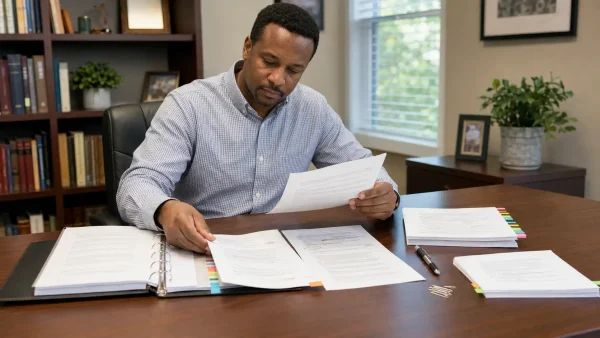
When comparing online wedding officiant certification, examine the work required for completion. NACM’s course includes lessons, quizzes, original written assignments, instructor evaluation, a comprehensive final examination, and an original Christian wedding ceremony. Enrollment starts the learning process. Wedding officiant certification follows successful completion of the prescribed requirements.
Instructor feedback connects a student’s submitted work with those expectations. Read the feedback alongside the assignment and identify what needs clarification or revision. A stronger submission should demonstrate the underlying understanding rather than only substitute a few words. This process gives online wedding officiant certification practical substance beyond access to information.
Students benefit from approaching each assignment as part of a larger ceremony. Keep earlier work organized so later sections can build on it. Check that terminology, biblical meaning, and practical directions remain consistent across the complete service. The goal is an original ceremony you understand and can prepare thoughtfully for appropriate use.
Become a Marriage Officiant With Appropriate Preparation
The optional course is for qualifying NACM-recognized ordained ministers in good standing. It is additional preparation, not a requirement for NACM ordination. Someone who wants to become a marriage officiant but has not entered the fellowship begins with shared beliefs and the applicable membership and ordination processes. Course certification remains distinct from ministerial recognition and applicable civil requirements.
If you are already eligible, consider the time and attention you can give to original writing and evaluated work. If you are new to NACM, review our Statement of Faith before considering an application. These are different starting points within the same fellowship. Understanding your starting point helps you choose the appropriate next step without confusing enrollment with certification.
Become a Wedding Officiant Through Applied Learning
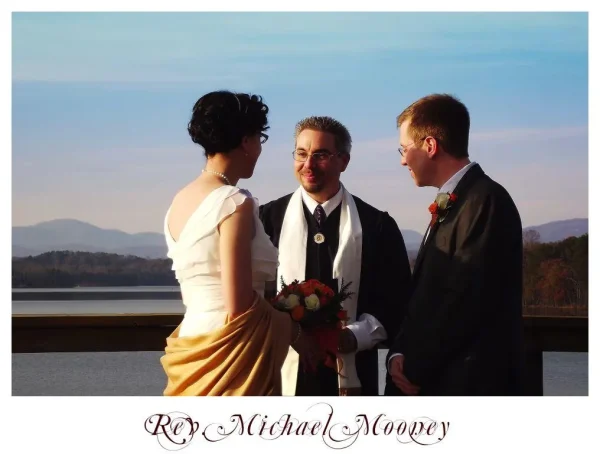
The course is taught by Rev. Michael Mooney, founder and Executive Elder of the National Association of Christian Ministers. Its instruction draws on more than twenty years of wedding ministry experience. That experience informs attention to the spiritual, practical, and administrative responsibilities surrounding a Christian wedding. Students apply the instruction through their own writing and decisions.
The purpose of wedding officiant certification is preparation that has been demonstrated through completed work. To become a wedding officiant, bring conviction and willingness to learn to that preparation. To become a marriage officiant who serves responsibly, continue connecting ceremony writing with communication, planning, and judgment. A training course supports that development when students engage carefully with its requirements.
Choose Preparation That Reflects Your Christian Calling
Online wedding officiant certification is most useful when its instruction, expectations, and Christian foundation fit the ministry you intend to offer. NACM’s approach combines biblical conviction with original ceremony development and evaluation. Consider the fellowship behind that preparation as well as the skills the course addresses. Begin by reviewing the beliefs that guide NACM’s membership and ministry.